
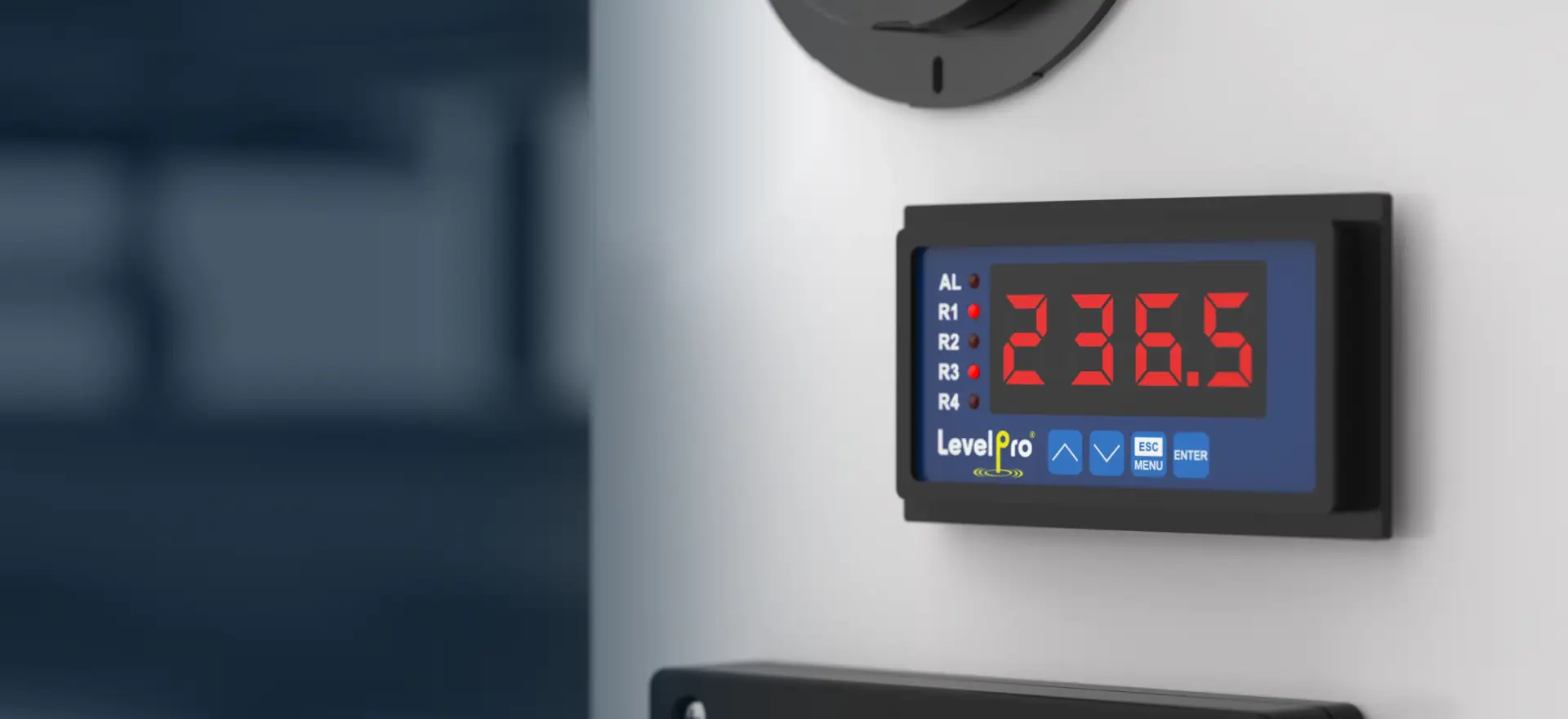
The ITC 450 Series LED level process display and controller is the industry’s most rugged and reliable panel-mount remote level display.
LevelPro® ITC 450 Series comes as a complete all-in-one unit, out of the box it is ready to use. The industrial design of the ITC 450 Series ensures that it will withstand the industry’s most corrosive environments. Available with either 4 Relay Outputs or 2 Relay + 4-20mA Output, the ITC 450 Series is great for automating your tank level processes.
faq-section-tab
specification-section-tab
document-section-tab
application-section-tab
fitting-section-tab
video-section-tab
| General | ||
| Display | LED | 4 × 20 mm High | Adjustable Color & Brightness | |
| Displayed Values | −999 – 9999 | |
| Transmission Parameters | 1200…115200 bit/s, 8N1 / 8N2 | |
| Input Signal | Supply | ||
| Standard | Universal Input: 0 | 4–20 mA | 0–10 V | 0–150 mV RTD | pH | |
| Voltage | 85–260 V AC/DC | 16–35 V AC, 19–50 V DC* | |
| Output Signal | Supply | ||
| Standard | 4 × Relays (5 A) | 2 × Relays (5 A) + 4–20 mA | |
| Voltage | 24 VDC | |
| Passive current output * | 4–20 mA (Operating Range Max. 2.8–24 mA) | |
| Performance | ||
| Accuracy | 0.1% @ 25°C One Digit | |
| Materials | Wetted | ||
| Housing | NORYL | |
| Notes | * optional | |

Twist, align, done—bulkhead built for dome tank tops.
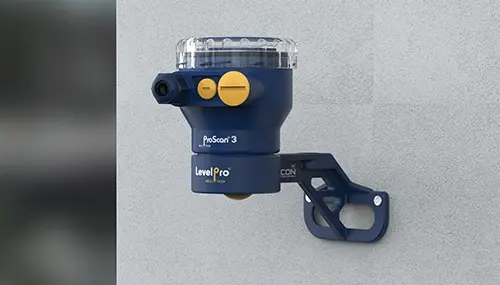
Designed for ease, just place it and you’re set.
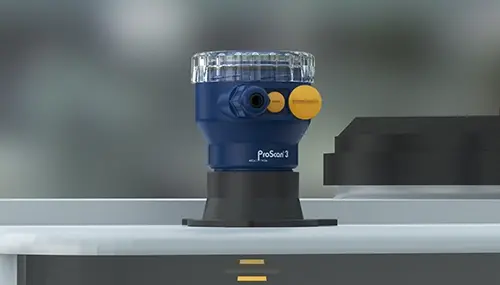
Strong by design, precise by purpose