Key Features

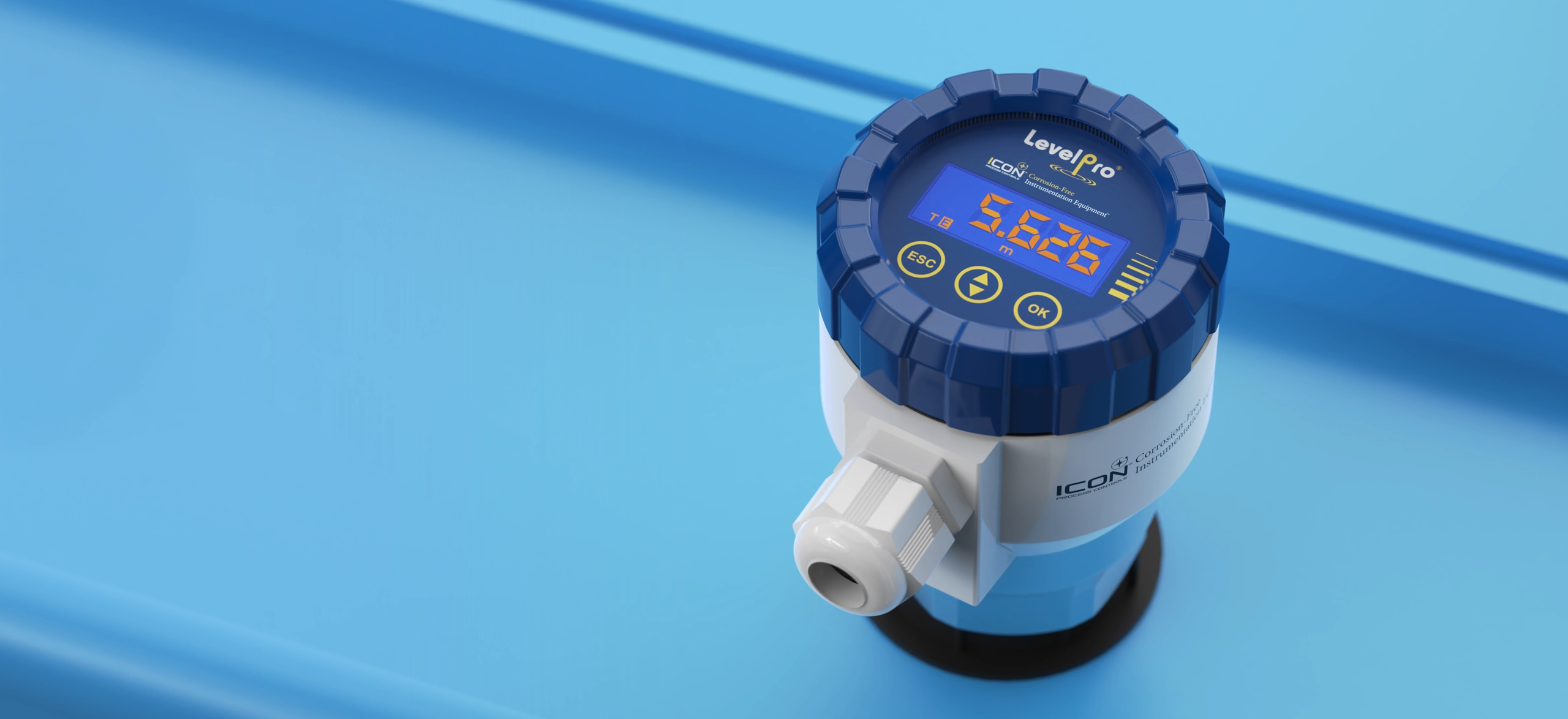
A liquid level sensor operates by detecting the presence or absence of material or determining the level of material within a container. This is achieved using various technologies like capacitance, ultrasonic waves, or, as in the case of radar, by measuring the time taken for a signal to bounce back from the material surface. Level sensing can be contact or non-contact-based, depending on the method employed. A radar level sensor is a device used to measure the level of liquids, solids, or slurries in various challenging industrial applications. It utilizes radar technology to determine the distance from the sensor to the surface of the material being measured.
Basic Technical Data
Supply VoltageMLR-70N : 18–36 VDC
Output4–20 mA | HART
Current Consumption4–20 mA | Max. 22 mA
Basic Error [1] (Reference Reflector) MLR-70-20 (0.1–0.2 m | 0.2–2 m | 2–40 m): ±5 mm | ±3 mm | ±2 mm
Other types (0.1–0.2 m | 0.2–2 m | 2–40 m): ±10 mm | ±4 mm | ±2 mm
Resolution1 mm
Max. Length of Measuring Electrode MLR-70-11 (12): 2 m   |   MLR-70-32: 12 m
Dead Zone [2] by Sensitivity low/medium, user (1–4): 100  |  0 mm [3]
high, user (5): 150  |  50 mm [3]
user (6,7): 200  |  50 mm [3]
user (8): 250  |  50 mm [3]
Measurement Sensitivity (8 degrees) low (1) – medium (3) – high (5) – user (1 to 8)
Failure Indication Adjustable: 3.75 mA, 4 mA, 20 mA, 22 mA, LAST [4]
Dampening1 – 99 s
Warm Up Time≈ 60 s
Internal Resistance Electrical Strength
(Electrode – Housing)
10 kΩ
Coupling Capacity / Electric Strength
(Housing – Supply Leads)
5 nF   |   500 VAC
Max. Current Output Load Resistance U = 24 VDC: Rmax = 270 Ω [5]   |   U = 22 VDC: Rmax = 180 Ω   |   U = 20 VDC: Rmax = 90 Ω
Max. Tensile Strength of Rope Electrode1400 kg
Protection ClassIP67
Process ConnectionScrewing with thread G1"
Recommended CablePVC 2 × 0.75 mm2
Weight (without Electrode)≈ 0.5 kg (≈ 1 kg variant NT, XiT)

Applications

Related Blogs

SBF

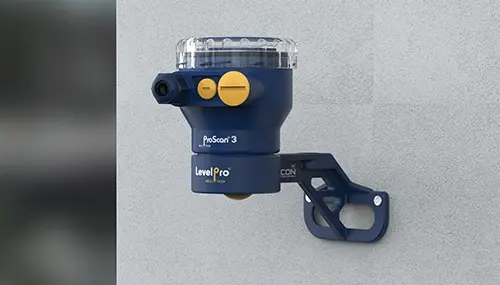
Twist, align, done—bulkhead built for dome tank tops.

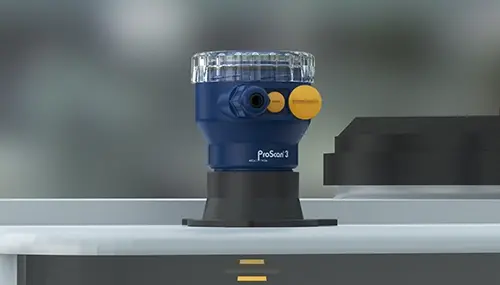
Designed for ease, just place it and you’re set.

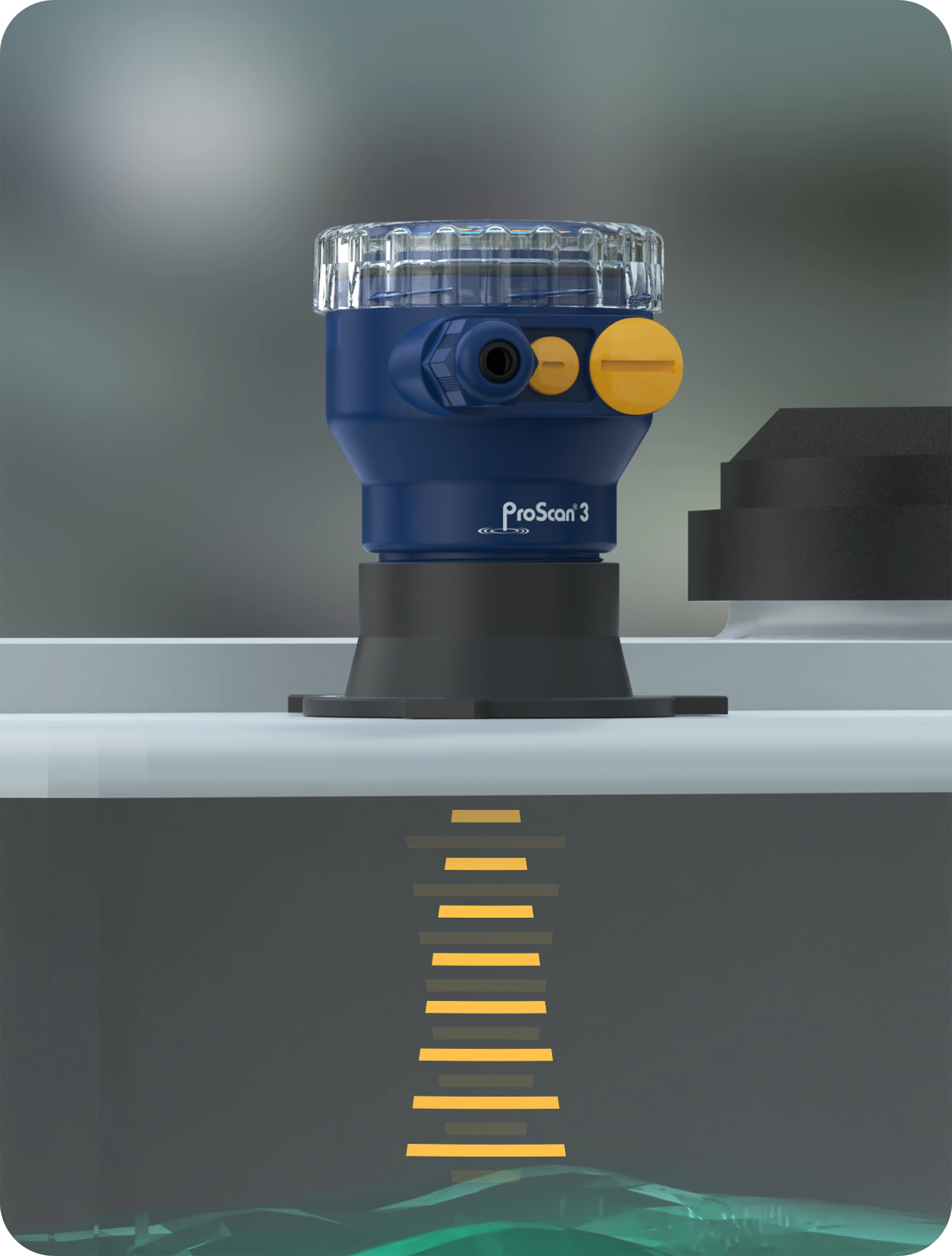
Strong by design, precise by purpose