

Experience the power and reliability of ProAlert® XPA Series, designed for the toughest environments. It is perfect for industrial applications with superior heat dissipation, optimal sealing, and robust 180dB or 120dB output options. The XPA Series ensures safety in every critical application and is maintenance-friendly and ready to perform without warm-up time.
faq-section-tab
specification-section-tab
document-section-tab
application-section-tab
fitting-section-tab
video-section-tab
| Technical Specifications | ||
| Input Voltage | 24 VDC | 115 VAC | |
| Power | 20 W | 5 W | |
| Sound Strength (dB) | 120 | 180 | |
| Flash Frequency | 150/Min | |
| Color | Red | Yellow | Blue | Green | |
| Emergency Start Time | <0.3 s | |
| Conduit Entries | 3/4" G Type | |
| Mounting Style | Base Mount | |
| Protection Class | IP65 | |
| Materials | ||
| Housing | Die Cast Aluminum | |
| Exterior | Stainless Steel | |
| Globe | Tempered Glass | |
| Gasket | Silicon Rubber | |
| Certifications | ||
| Compliance | ATEX | CNEX | CE | RoHS | |

Twist, align, done—bulkhead built for dome tank tops.
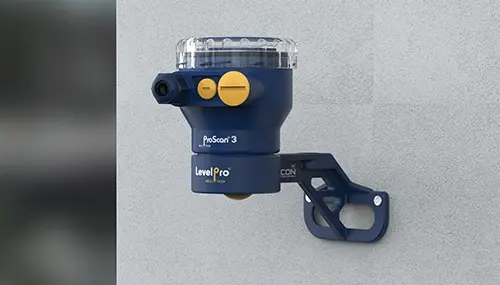
Designed for ease, just place it and you’re set.
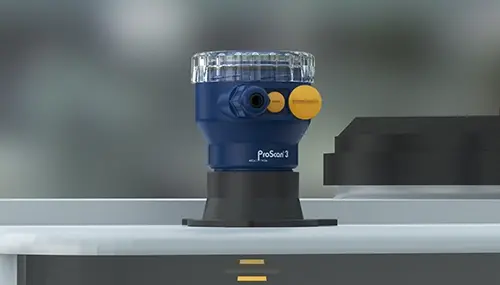
Strong by design, precise by purpose