
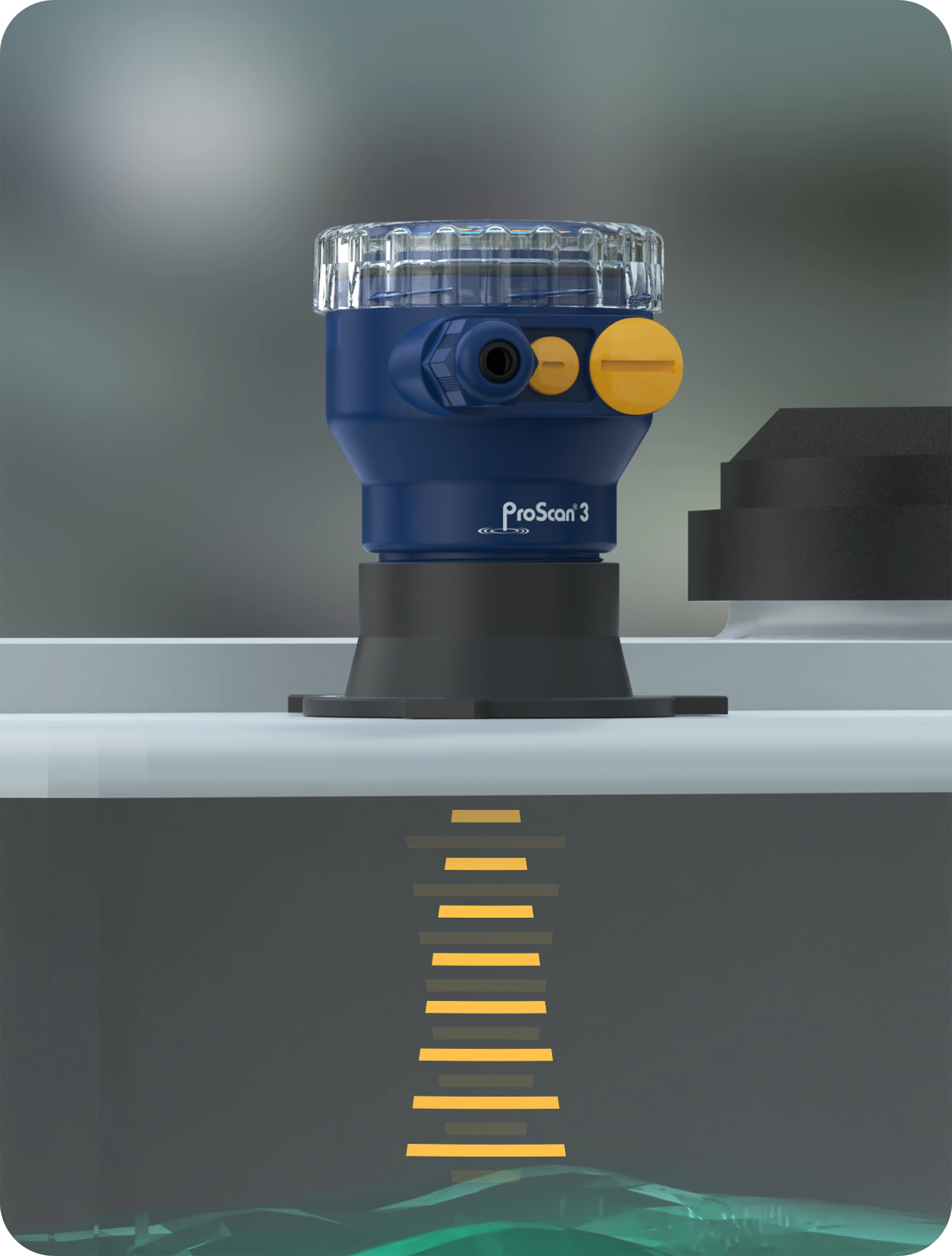
5 Reasons Why Radar LevelSensors Are Better than
Radar level sensors are revolutionizing liquid measurement by overcoming foam, vapor, and turbulence challenges. Learn how Icon’s ProScan3 80GHz sensor delivers superior accuracy, reliability, Radar
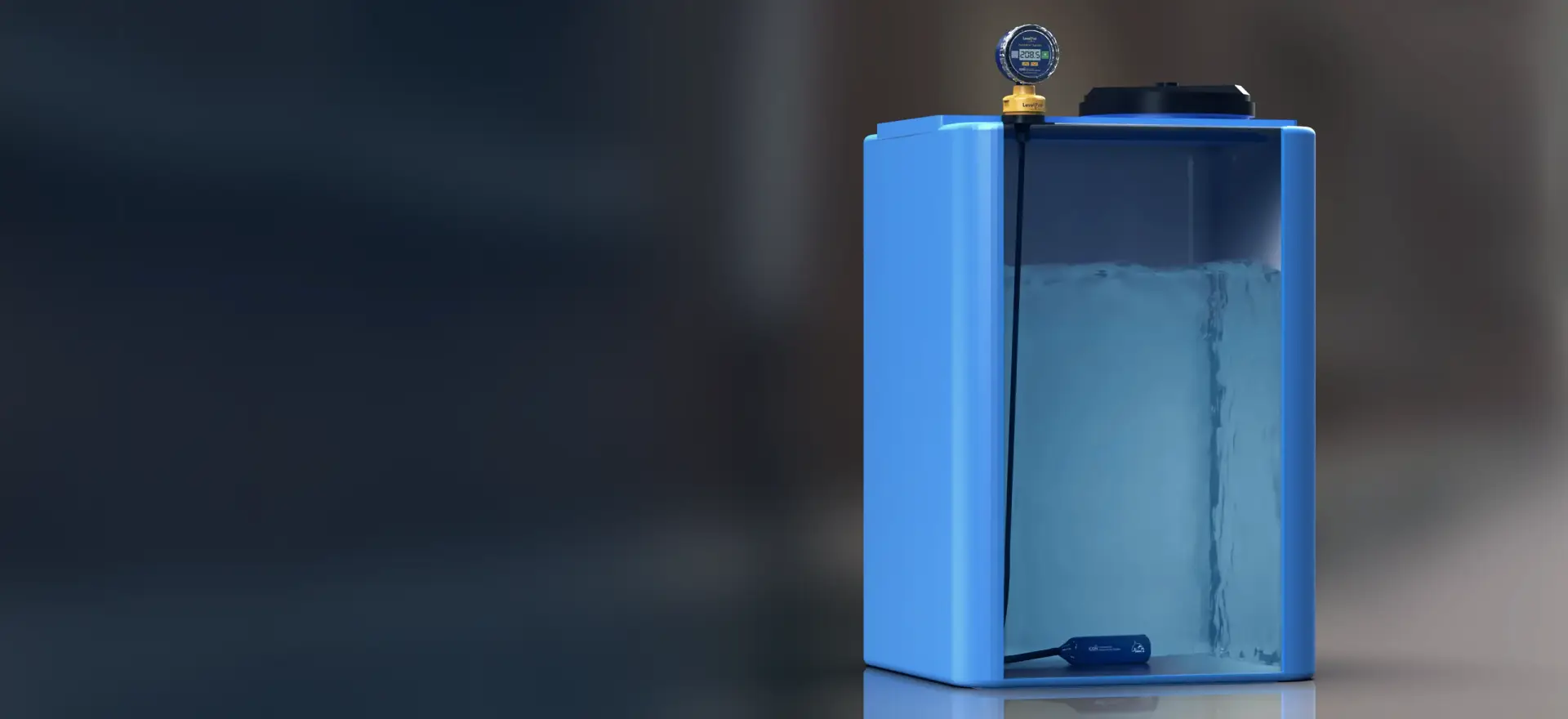
The TankPro® Continuous Level Sensor Transmitter provides continuous level measurement for both corrosive and non-corrosive liquids. These submersible hydrostatic transmitters have been designed for the toughest industrial applications. Unlike ultrasonic level transmitters, our liquid level sensors are completely unaffected by any foam, vapor, turbulence or condensate in the tank.
The TankPro® Continuous Level Sensor Transmitter works by sitting at the bottom of the tank and measuring the head pressure of the liquid pushing down on its ceramic sensing diaphragm. The only submersible level sensor with an integral molded weight to ensure the sensor will remain at the bottom and you will always receive an accurate, reliable reading.
These plastic level sensors have been engineered to be completely corrosion resistant. They are available in PVC, PP, PVDF and PTFE Teflon® making them the perfect chemical tank level sensors. All models come equipped with a Teflon® jacketed cable and a Kalrez® O-ring seal to ensure it stands up to the industry’s most corrosive chemicals.
Our Submersible Level Transmitters require no programming, have no moving parts and are engineered with a non-clogging design. They are the industry’s simplest, most reliable level sensors, making them the perfect solution for tough applications where ultrasonics will not preform.
faq-section-tab
specification-section-tab
document-section-tab
application-section-tab
fitting-section-tab
video-section-tab
| Input Pressure Range | ||
| Level ft/H₂O | 14 | *Consult Factory for Levels > 14 ft | |
| Overpressure | Psi | 210 | 290 | 380 | |
| Output Signal | Supply | ||
| Output Signal | 4–20 mA | |
| Power Supply | 9–36 VDC | Loop Powered | |
| Performance | ||
| Accuracy | <±0.5% Full Scale | |
| Permissible Load | Rmax = ((Vs − Vsmin)/0.02 A) Ω | |
| Influence Effects | Supply: 0.05% Full Scale/10 V | Load: 0.05% Full Scale/kΩ | |
| Long Term Stability | <±0.1% Full Scale over One Year | |
| Response Time | <10 msec | |
| Permissible Temperatures | ||
| Storage/Media Temperatures | PVC: 32° to 140°F (0° to 60°C) | PP: −20° to 170°F (−28° to 76°C) | PVDF: −40° to 170°F (−40° to 76°C) | PTFE: −40° to 170°F (−40° to 76°C) | 316 SS: −40° to 170°F (−40° to 76°C) | |
| Thermal Effects | Offset & Span | ||
| Thermal Drift | <±0.02% FSO/K in Compensated Range | −20° to 170°F | |
| Display | ||
| Type | LCD | |
| Materials | Wetted | ||
| Housing | PVC | PP | PVDF | PTFE | 316 SS | |
| Seal | FFKM – Kalrez® | |
| Diaphragm | Pure Ceramic 96% Al2O3 | 316 SS | |
| Electrical Protection | ||
| Short-Circuit Protection | Permanent | |
| Reverse Polarity Protection | No Damage to Sensor | |
| Electromagnetic Compatibility | Emission Immunity According to EN 61326 | |
| Electrical Connection | ||
| Jacketed Cable | PTFE Teflon® −40° to 200°F | |
| Cable | 3-Wire Cable with Integrated Air Tube for Reference to Atmospheric Pressure | |
| General (Sensor Only) | ||
| Current Consumption | Max. 25 mA | |
| Weight | Grams | PVC: 575 g | PP: 475 g | PVDF: 825 g | PTFE: 875 g | 316 SS: 875 g | |
| Ingress Protection | IP 68 | NEMA 4X | |
| CE-Conformity | EMC Directive: 2004/108/EC | |
| Standards & Approvals | ||
| Compliance | CE | FCC | RoHS Compliant | |
| Notes | *Contact Factory for different options | |
Radar level sensors are revolutionizing liquid measurement by overcoming foam, vapor, and turbulence challenges. Learn how Icon’s ProScan3 80GHz sensor delivers superior accuracy, reliability, Radar

Twist, align, done—bulkhead built for dome tank tops.
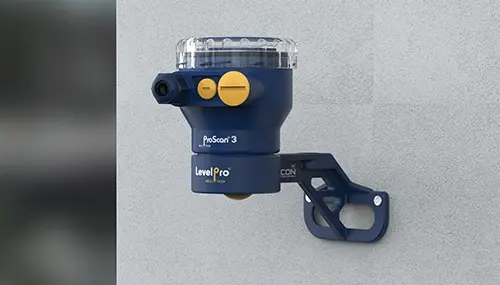
Designed for ease, just place it and you’re set.
Strong by design, precise by purpose